
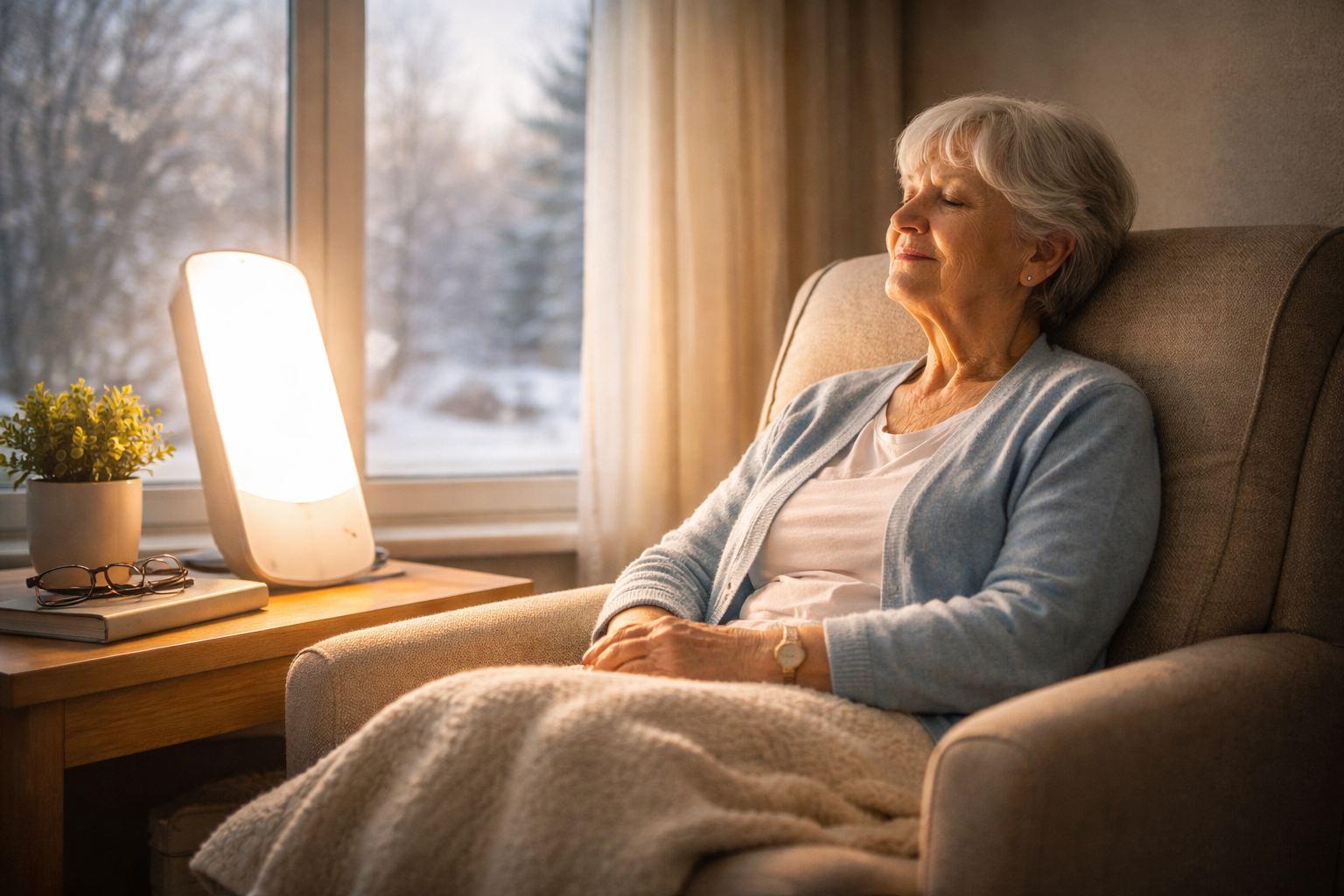
As people age, changes in sleep patterns, energy levels, and mood can become more noticeable. Shorter daylight hours, limited time outdoors, and natural shifts in circadian rhythms can all affect how seniors feel on a daily basis. One approach that has gained increasing attention for supporting wellness is light therapy for seniors.
At Lantern Crest Senior Living, we focus on whole-person wellness that supports physical health, emotional balance, and daily quality of life. Understanding how light therapy works and how it may benefit seniors can help families and residents make informed decisions about wellness routines and supportive care.
What Is Light Therapy?
Light therapy involves controlled exposure to bright light that mimics natural sunlight. This light is typically delivered through specialized lamps or fixtures designed to provide consistent brightness without harmful ultraviolet rays.
For seniors, light therapy is commonly used to help regulate the body’s internal clock, also known as the circadian rhythm. This internal clock plays a major role in sleep, alertness, mood, and overall energy levels.
As daylight exposure decreases or becomes inconsistent, the body may struggle to maintain healthy rhythms. Light therapy helps provide the visual cues the brain needs to stay aligned with natural day-and-night cycles.
Why Seniors May Benefit from Light Therapy
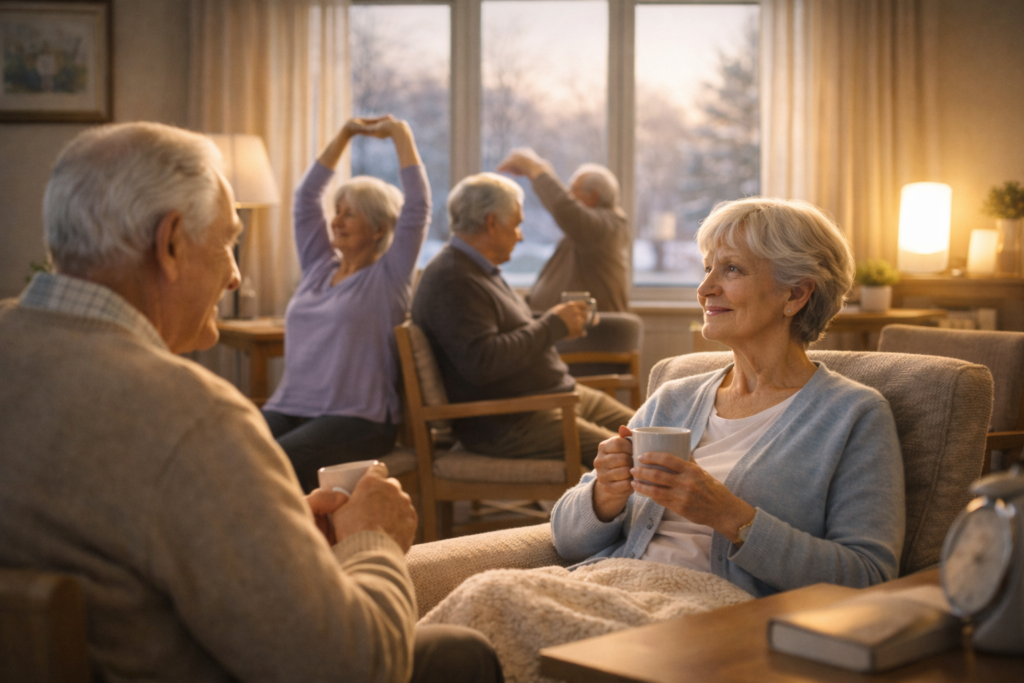
Aging can bring changes that affect how the body responds to light. Seniors may spend more time indoors, experience vision changes, or have sleep disruptions that make it harder to maintain a consistent routine.
Light therapy may be helpful for seniors who experience:
- Difficulty falling asleep or staying asleep
- Early morning waking
- Daytime fatigue or low energy
- Mood changes during darker months
- Disrupted daily routines
By providing consistent light exposure at the right time of day, light therapy can help support more balanced sleep-wake patterns and improve overall daily functioning.
How Light Therapy Supports Sleep
One of the most common reasons seniors explore light therapy is to improve sleep quality. Sleep challenges are common later in life and can affect both physical health and emotional well-being.
Light therapy helps regulate the production of melatonin, a hormone that signals the body when it is time to sleep. Morning or daytime light exposure encourages alertness and helps the body recognize when it should be awake. In turn, this supports natural tiredness in the evening.
When used consistently, light therapy may help seniors:
- Fall asleep more easily at night
- Stay asleep for longer periods
- Feel more rested in the morning
- Reduce daytime napping caused by fatigue
Better sleep often leads to improved mood, focus, and physical energy throughout the day.
Light Therapy and Mood Support
Changes in daylight exposure can have a noticeable impact on mood, particularly during shorter days or extended periods indoors. Seniors may feel less motivated, more withdrawn, or emotionally low when natural light exposure decreases.
Light therapy helps stimulate areas of the brain involved in mood regulation. Regular exposure to bright light can promote a sense of alertness and emotional balance.
Potential mood-related benefits of light therapy for seniors include:
- Improved overall outlook
- Increased motivation and engagement
- Reduced feelings of sluggishness
- Greater enjoyment of daily activities
When combined with social interaction and meaningful activities, light therapy can be part of a broader approach to emotional wellness.
Cognitive and Daily Function Benefits
Consistent light exposure plays a role in mental clarity and daily functioning. When circadian rhythms are disrupted, seniors may feel foggy, unfocused, or disoriented at certain times of the day.
Light therapy may help support:
- Improved alertness during daytime hours
- Better focus and attention
- More consistent daily routines
- Increased participation in activities
Maintaining a regular schedule supported by appropriate lighting can make daily life feel more predictable and manageable.
Light Therapy in a Senior Living Environment
In a senior living community, light exposure is often carefully considered as part of overall wellness. Well-lit common areas, access to outdoor spaces, and structured daily routines all contribute to healthy circadian rhythms.
Light therapy may be incorporated through:
- Bright, naturally lit community spaces
- Morning activities held in well-lit areas
- Access to outdoor patios and walking paths
- Guided wellness programs that encourage routine
These environmental factors work together to support healthy sleep, mood, and engagement.
Safety Considerations for Seniors
Light therapy is generally well-tolerated, but it should always be approached thoughtfully, especially for seniors. Individual health conditions, medications, and sensitivity to light should be considered.
Important safety considerations include:
- Using appropriate light intensity and duration
- Avoiding direct glare into the eyes
- Timing sessions earlier in the day unless otherwise advised
- Consulting healthcare providers when needed
Professional guidance helps ensure that light therapy supports wellness without causing discomfort or disruption.
How Routine Enhances the Benefits of Light Therapy
Consistency is key when it comes to light therapy. Regular exposure at the same time each day helps reinforce healthy sleep-wake cycles.
When paired with a structured daily routine, light therapy can be even more effective. Activities such as morning exercise, social gatherings, and scheduled meals reinforce the body’s internal clock.
A consistent routine supported by proper lighting can lead to:
- Improved sleep patterns
- More stable energy levels
- Better emotional balance
- Greater engagement in community life
Light Therapy and Seasonal Changes
Seasonal shifts can be especially challenging for seniors who are sensitive to changes in daylight. Shorter days and longer nights can affect both mood and sleep.
Light therapy may be particularly helpful during these times by providing consistent brightness that replaces lost daylight exposure. This support can make seasonal transitions feel smoother and less disruptive.
Supporting Wellness Through Environment and Care
At Lantern Crest Senior Living, wellness is supported through thoughtful design, daily engagement, and a focus on comfort and connection. Light-filled spaces, outdoor access, and meaningful activities all contribute to a balanced lifestyle.
Light therapy is just one part of a comprehensive approach that values physical health, emotional well-being, and social connection. When seniors feel well-rested, engaged, and supported, their overall quality of life improves.
Encouraging Engagement and Activity
Improved energy and mood often lead to greater participation in activities. Seniors who feel more alert and well-rested are more likely to enjoy social events, wellness programs, and creative opportunities.
Engagement supports:
- Stronger social connections
- Improved physical mobility
- Ongoing mental stimulation
- A sense of purpose and fulfillment
Light therapy can play a supportive role in encouraging this active and engaged lifestyle.
Is Light Therapy Right for You or a Loved One?
Every senior is unique, and wellness solutions should be personalized. Light therapy may be helpful for some individuals, especially when used as part of a broader care and wellness plan.
Discussing sleep patterns, mood changes, and daily routines with caregivers or healthcare professionals can help determine whether light therapy may be beneficial.
Wellness-Focused Living at Lantern Crest Senior Living
At Lantern Crest Senior Living, we are committed to creating an environment that supports health, comfort, and meaningful living. From thoughtfully designed spaces to engaging daily programs, every detail is focused on enhancing residents’ well-being.
Our community approach recognizes the importance of routine, connection, and supportive wellness practices that help residents feel their best throughout the year.
Learn More About Senior Wellness Options
Light therapy for seniors is one of many tools that may support better sleep, mood, and daily engagement. When combined with a supportive environment and personalized care, it can contribute to a higher quality of life.
If you would like to learn more about wellness-focused living at Lantern Crest Senior Living, Contact us today. Our team is happy to answer your questions and help you explore a community designed to support comfort, connection, and well-being every day.