
Key Takeaways
- Comprehending Illumination Treatment
- Advantages of Illumination Treatment for Elderly Individuals
- Radiant Illumination Treatment Clarified
- Illumination Treatment Studies and Results
- Executing Illumination Treatment for Older Adults
Understanding Light Therapy
Light therapy serves as a powerful tool in enhancing the well-being of older adults. This practice utilizes light as therapy to address various health issues commonly faced by the elderly, including mood disorders and sleep disturbances. Bright light therapy and red light therapy have gained prominence in dementia care and elderly care, demonstrating significant benefits for seniors. A light therapy box can help regulate the circadian rhythms of older people, promoting better sleep patterns and overall mood. Studies show that low-level light therapy effectively reduces symptoms of seasonal affective disorder and improves mental health in seniors. By incorporating various light therapies, caregivers can provide comprehensive support to enhance the quality of life for older adults.
- Light therapy can improve sleep quality by regulating sleep patterns.
- It may help alleviate feelings of depression in older adults.
- Bright light therapy is often used to combat seasonal affective disorder.
- Red light therapy can aid in reducing inflammation and pain.
- Consistent use of light therapy can enhance cognitive function in seniors.
- Caregivers can easily incorporate light therapy into daily routines.
- Many light therapy devices are user-friendly and safe for home use.
What is Light Therapy?
Light therapy for seniors involves the use of specific wavelengths of light to treat various conditions associated with aging. This therapeutic approach has gained attention in geriatric psychiatry for its potential to enhance mental well-being among older adults. It is particularly beneficial for the elderly who experience conditions such as depression or dementias, including severe dementia. By employing light therapy, particularly photodynamic therapy, practitioners can help improve the mood of the treatment group and combat symptoms of therapy for depression.
Ultraviolet (UV) light and other light sources are used in light therapy to stimulate specific biological responses. These responses can promote the production of serotonin, improve sleep patterns, and alleviate symptoms related to depression. Light therapy can be an effective adjunct to traditional psychotherapy, offering a non-invasive option for the elderly who may struggle with the mental health challenges associated with aging. By understanding the mechanisms of light and its effects on older adults, caregivers and healthcare providers can leverage this innovative therapy to improve the quality of life for seniors.
The Science Behind Light as Therapy
Light therapy for seniors utilizes specific wavelengths of light to elicit therapeutic effects in various conditions. Senior researchers have explored how monochromatic light can positively influence mood and cognitive function among older people. This treatment is often compared with traditional talk therapy as both aim to alleviate mental health issues. Studies have shown that light fixtures emitting bright, focused light can enhance the well-being of patients dealing with challenges such as vascular dementia, thereby providing an alternative or complementary option to conventional clinical psychiatry approaches.
Photodynamic therapy (PDT) represents another fascinating aspect of light science. This therapy harnesses the power of light to activate photosensitizing agents, leading to targeted treatment beneficial for certain health concerns. For instance, light therapy for seniors has gained attention from AMDA – The Society for Post-Acute and Long-Term Care Medicine as a recommended intervention for promoting better quality of life. The use of incandescent light bulbs in therapeutic settings highlights the importance of light’s properties in geriatrics to support overall health among aging populations, creating opportunities for meaningful treatment advancements.
Benefits of Light Therapy for Seniors
Light therapy for seniors has gained recognition for its potential to enhance mood and improve mental health. Utilizing specific light wavelengths emitted by light boxes can mimic natural sunlight, which is particularly beneficial in combating seasonal affective disorder and other mood-related issues. Research from the Institute of Mental Health highlights that bright light therapy may be beneficial for people with dementia, as it can help regulate circadian rhythms and promote better sleep patterns. Beneficial light therapy interventions may also address undernutrition in older adults by encouraging a more active lifestyle and social engagement. Such approaches utilize various light sources, including LED and incandescent light bulbs, to deliver effective light therapy for seniors, ultimately promoting well-being and quality of life.
Enhancing Mood and Mental Health
Light therapy for seniors offers a unique method for enhancing mood and mental health. Many studies show that light therapy interventions can significantly reduce symptoms of depression and anxiety in older adults. This particular light therapy approach uses specific light wavelengths to influence mood-regulating hormones. Light therapy products, such as light therapy lamps, provide a convenient solution for daily use. By integrating light therapy into their routine, individuals often find that their overall mood improves, showcasing how effective light treatments can be.
Research indicates that light therapy can improve sleep quality in older people, which is closely linked to mood enhancement. Light therapy interventions depend on consistent exposure to bright light, particularly during the morning hours. The results reveal that participants in the light treatment group often report better emotional stability compared to those not receiving light therapy. Therefore, implementing light therapy methods may serve as a beneficial strategy for seniors seeking to boost their mental health and overall well-being.
- Regular exposure to light therapy can help regulate circadian rhythms.
- Incorporating light therapy into daily routines can promote a positive outlook.
- It’s essential to use the right intensity and duration of light exposure for effectiveness.
- Light therapy is non-invasive and can be used alongside other mental health treatments.
- Early morning sessions are generally recommended for optimal benefits.
- Always consult with a healthcare professional before starting light therapy.
- Consistency in therapy sessions contributes to sustained mood improvement.
Improving Sleep Patterns
Light therapy for seniors has been shown to significantly improve sleep patterns. The use of bright light treatment, particularly with light therapy boxes, can help reset circadian rhythms disrupted by aging. Many seniors benefit from 10,000-lux light therapy, which provides a powerful dose of light to signal the brain for better sleep regulation. Implementing light therapy regimens that incorporate light therapy glasses can also enhance the effectiveness of these treatments, making it easier for individuals to incorporate light exposure into their daily routines.
Bright-light treatment reduces feelings of daytime sleepiness, allowing seniors to enjoy more restful nights. Fixed-light therapy devices can be strategically placed in living areas to maximize exposure without disrupting daily activities. Research supports that light therapy boxes can offer an effective treatment for seasonal affective disorder, further highlighting their versatility. By consistently applying light therapy methods, seniors may experience not only improved sleep but also a boosted mood and enhanced overall well-being.
Bright Light Therapy Explained
Bright light therapy involves the use of therapeutic light intensities to promote health benefits, particularly for elderly patients. Such therapy can include red light treatments and green light treatment, which have shown promise in improving mood and sleep among elderly adults. This intense light treatment serves as a light intervention, helping to regulate melatonin levels in individuals. For effective application, available phototherapy devices are used, often in settings like elderly care homes where many residents can benefit from structured light therapy for seniors. The light adjunct group may experience improved outcomes, especially when adhering to specified protocols, such as melatonin.12 light therapy and melatonin.80 light therapy. Overall, this approach offers a valuable strategy for enhancing the well-being of elderly residents.
How Bright Light Therapy Works
Bright light therapy serves as a tailored lighting intervention specifically designed for adult patients. This new therapy shines a light on the potential benefits of using enhanced illumination to treat dementia, particularly in dementia care facilities. By providing scheduled light sessions, this particular therapy aims to improve the overall well-being of dementia patients, including those with related dementias. The therapy isn’t just about exposure to light but involves strategic timing and intensity to optimize its effects, especially in light therapy for seniors.
Research indicates that light therapy for seniors can significantly impact their mood and cognitive function. Utilizing a controlled lighting intervention can help shift circadian rhythms and improve alertness throughout the day. Patients with a dementia status of 82 or higher may benefit notably from these light sessions. Such therapy presents a promising avenue in the continuum of care, offering hope as a possible therapy for enhancing quality of life in the aging population.
Ideal Conditions for Bright Light Therapy
Optimal conditions for light therapy for seniors involve consistent timing and adequate light exposure. Morning sessions are often recommended as bright light exposure can effectively regulate circadian rhythms. The intensity of light levels is crucial, with full-spectrum therapy providing the necessary wavelengths to achieve significant light effects. Research indicates that light affects mood, particularly among depressed elders. Institutions focused on dementia care benefit from these insights, ensuring that elderly populations receive sufficient light irradiation to support their mental health.
Environmental factors also play a role in the effectiveness of light therapy for seniors. Bright light therapy should ideally occur in well-lit spaces free from distractions to maximize the benefits of light exposure. Studies reveal that elderly women and other participants show improved mood and cognitive function with regular sessions. As dementia shows varying symptoms among patients, tailoring light therapy to individual needs can enhance outcomes. Providing a structured approach to light therapy for seniors could greatly aid in uplifting their overall well-being.
Light Therapy Research and Findings
Research on light therapy for seniors has shed light on its potential benefits in various contexts, particularly for individuals living with related dementias. Studies indicate that appropriate light exposures can significantly impact institutionalized elders, especially those in nursing home dementia settings. A focus on sufficient light exposure has shown promising results in enhancing mood and cognitive function. For instance, light box daily applications can help combat the effects of low light levels that often plagues senior homes. Cosmetic therapists have also explored the implications of individual light exposure, demonstrating its relevance not only in aesthetic treatments but also in improving the quality of life for institutionalised elderly individuals. Understanding the specific types of dementia and tailoring light sources accordingly can maximize therapeutic outcomes within this vulnerable population.
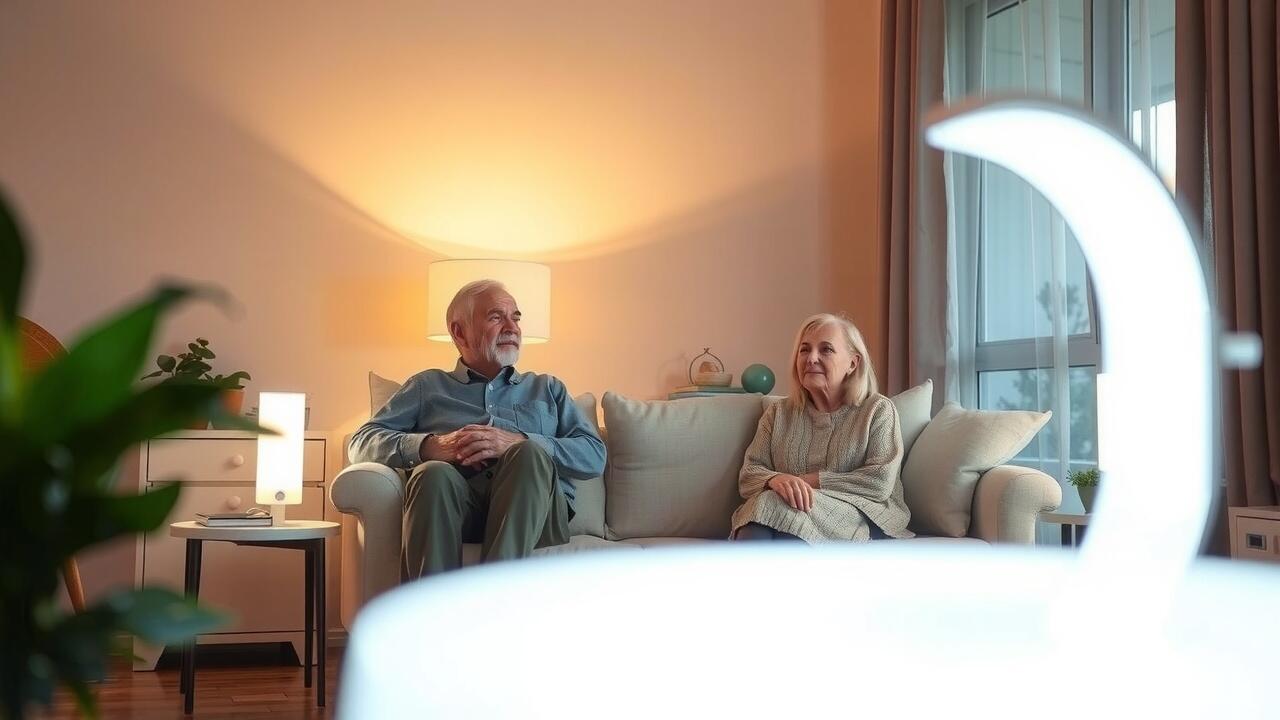
Key Studies on Light Therapy for Seniors
Research has shown that light therapy for seniors can significantly benefit elderly staying in assisted living or nursing facilities. Studies reveal that exposure to high light levels, particularly with therapy equipment using white light sources, can improve mood and cognitive function among aged individuals. For those experiencing severe dementia, light therapy in conjunction with usual indoor light can enhance their overall well-being.
Several key studies have focused on the impact of light duration and moderate light levels on sleep patterns and mood stabilization in seniors. Participants reported improvements in their quality of life, with natural light exposure being a vital factor. Some studies suggest that combining light therapy for seniors with psychotherapy could yield even better results, demonstrating the different ways light can be utilized for therapeutic benefits.
Outcomes of Light Therapy Research
Research has shown that light therapy for seniors can significantly improve the quality of life for individuals in various living situations, including nursing home patients. Studies involving standard light exposure have indicated that regular sessions with common treatment devices, such as light boxes, can enhance mood and decrease symptoms of depression. The benefits are particularly notable among seniors experiencing severe dementia, where consistent exposure to bright artificial light can mitigate agitation and improve overall well-being.
Sunlight exposure remains vital even in controlled environments. Investigations have found that indoor light can replicate some effects of natural light, making it an effective alternative for those who lack adequate sunlight access. Data from studies focused on dementia severity have demonstrated that light therapy for seniors may be particularly beneficial for individuals aged 60 and above. The observed outcomes suggest that therapy differ based on individual responses, highlighting the need for tailored light treatments crafted to meet specific needs.
Implementing Light Therapy for Seniors
Effective implementation of light therapy for seniors involves using appropriate light devices to create optimal light environments. Bright light exposure, particularly in the morning, can mimic outdoor light levels and has been shown to benefit affected patients significantly. Available light boxes designed for therapy provide controlled doses of white light, helping to regulate mood and sleep patterns. It is advisable for adults to seek guidance from a therapist familiar with geriatrics psychiatry to create a tailored study treatment plan. By adjusting light levels and ensuring consistent use of light devices, seniors can effectively harness the benefits of light therapy for improved mental health and overall well-being.
Best Practices for Use
Establishing the right environment is crucial for effective light therapy for seniors. A specific light box designed for therapy should emit intense light at the correct wavelengths, ensuring that retinal light exposure aligns with therapeutic recommendations. Using this specific light box in health care settings can provide a controlled environment that augments natural light, making it easier to achieve the desired outcomes. It is essential for seniors to use the light therapy consistently for several weeks to experience its benefits fully.
Health professionals recommend pairing light therapy for seniors with other forms of treatment for optimal results. Considering light versus placebo studies, evidence indicates that light therapy can serve as a viable alternative to drug therapy. This new treatment approach has shown promise in enhancing mood and improving sleep patterns, making it an effective treatment option for seniors dealing with seasonal affective disorder and other mood-related issues. Regular consultation with health care providers ensures that individuals follow best practices tailored to their specific needs.
| Light Therapy Box Model | Intensity (Lux) | Wavelength (nm) | Recommended Duration (minutes) | Use Case |
|---|---|---|---|---|
| Sunrise Medical Litebook | 10,000 | 400-700 | 30 | Seasonal Affective Disorder |
| Philips GoLite BLU | 10,000 | 480 | 20 | Mood Enhancement |
| Carex Day-Light Classic | 10,000 | 500-600 | 30 | Sleep Disorders |
| Verilux HappyLight | 10,000 | 480 | 15 | Anxiety Relief |
Conclusion
Light therapy for seniors represents an innovative approach to enhancing mental health and well-being, especially within the context of the population aging. By exploring various light box options, individuals can find effective nondrug therapy alternatives that cater to their specific needs. Treatment options often involve exposure to artificial light, particularly in light-exposed areas, which can significantly improve conditions like emergent dementia. Tailored interventions may include using a monochromatic light source during mid-day light hours for maximum effect. For nursing home residents, these treatments can offer a meaningful enhancement to home health care practices. Consulting an eye specialist is also recommended before starting any light therapy for seniors, ensuring safety and efficacy in the proposed therapy regimen across diverse treatment groups.
FAQS
How can light therapy prevent mood disorders in older people?
Light therapy, particularly bright-light therapy, has been shown to be effective in preventing mood disorders among older people. This therapeutic approach often utilizes natural light or artificial light to help regulate circadian rhythms and improve overall mental health. Additionally, in dementia care institutions, light therapy can include various methods such as morning light exposure or light therapy glasses, creating a more favorable environment for individuals with related dementias. Therefore, incorporating light therapy into daily routines can significantly benefit older patients, especially those dealing with type dementia or severe dementia, by enhancing their emotional well-being.
What different light therapy methods can benefit older people with severe dementia?
Different light therapy methods can greatly benefit older people with severe dementia by enhancing mood and regulating sleep patterns. For instance, light therapy can include the use of artificial light or natural light to create a calming environment, which is essential in dementia care institutions. In addition, light therapy glasses may be utilized to provide targeted exposure to UV light, helping to improve the well-being of patients. Therefore, employing varied light therapy approaches can address the unique needs of older individuals suffering from related dementias.
What are the benefits of light therapy for older people living with severe dementia in institutionalized settings?
Light therapy can significantly benefit older people living with severe dementia in dementia care institutions. Different light therapy methods, such as artificial light and natural light exposure, can help improve mood and enhance the well-being of these patients. Additionally, light therapy may also depend on the specific type of related dementia experienced by individuals. Therefore, incorporating light therapy into the care routines of institutionalized elderly—particularly those with related dementias—can provide notable improvements in their overall quality of life.
What different light therapy methods are effective for older people living with related dementias in dementia care institutions?
Different light therapy methods, such as artificial light and natural light exposure, can be particularly effective for older people living with related dementias in institutionalized settings. Light therapy therefore augments the well-being of these patients, potentially reducing severe dementia symptoms. Light therapy glasses can also be used as part of this treatment approach, and the effectiveness of light therapy methods may depend on individual needs and circumstances.
What are the different ways light therapy can be utilized for older people dealing with severe dementia in care institutions?
Light therapy can be utilized for older people living with severe dementia through various light therapy methods. These methods can include natural light exposure, artificial light sessions, and specialized light therapy glasses designed for therapeutic use. The effectiveness of light therapy in positive outcomes for older people depends on the specific condition of the patients and the type of related dementias they are experiencing. Overall, light therapy, including the variations mentioned, is a valuable treatment option in dementia care institutions, helping to enhance mood and well-being for institutionalized elderly individuals.
What different ways can light therapy be used to enhance the well-being of older people experiencing severe dementia in institutionalized settings?
Light therapy methods for older people with severe dementia can include both natural light and artificial light sources. Such treatment has been shown to augment the well-being of people living with related dementias in dementia care institutions. The effectiveness of light therapy depends on the specific needs of the patients and can involve light therapy glasses that provide a tailored approach to treatment.
What are the different light therapy methods that older people can use to manage symptoms of severe dementia in care institutions?
There are several light therapy methods available for older people dealing with severe dementia in dementia care institutions. These methods may include natural light exposure, the use of artificial light therapy devices, and specific interventions such as light therapy glasses. Light therapy can help enhance the well-being of patients by improving mood and regulating sleep patterns, which are crucial for older people living with related dementias. Different ways of implementing light therapy can lead to more effective management of symptoms in institutionalized elderly populations.
What different ways can light therapy include the use of light therapy glasses to benefit older people with severe dementia in dementia care institutions?
Light therapy can include various methods such as the use of light therapy glasses that provide artificial light, which can help improve the mood and circadian rhythms of older people experiencing severe dementia. In dementia care institutions, these light therapy methods aim to enhance the well-being of patients by simulating natural light, thereby addressing issues related to mood disorders and sleep disturbances prevalent in institutionalized elderly with related dementias.
How does light therapy exist as a beneficial treatment for older people living with severe dementia in care institutions?
Light therapy is a method utilized to enhance the well-being of older people dealing with severe dementia. It includes the use of various light therapy methods such as natural light and artificial light to support patients. In dementia care institutions, light therapy can be particularly effective, as it helps regulate mood, improve sleep patterns, and provide a calming environment for individuals with related dementias.
What are some effective light therapy methods that older people can use to improve their mood during the winter months when natural light is scarce?
Effective light therapy methods for older people include the use of light therapy glasses and light boxes that mimic natural light. These light therapy options can significantly enhance the well-being of older individuals, especially those living with severe dementia or related dementias, by alleviating symptoms linked to mood disorders. Whereas light therapy exists in various forms, the consistent use of artificial light can play a crucial role in supporting the mental health of institutionalized elderly patients during darker months.